Consoles and Gaming PCs Are More Expensive Than Ever, and the Hardware Crisis Could Last for Years
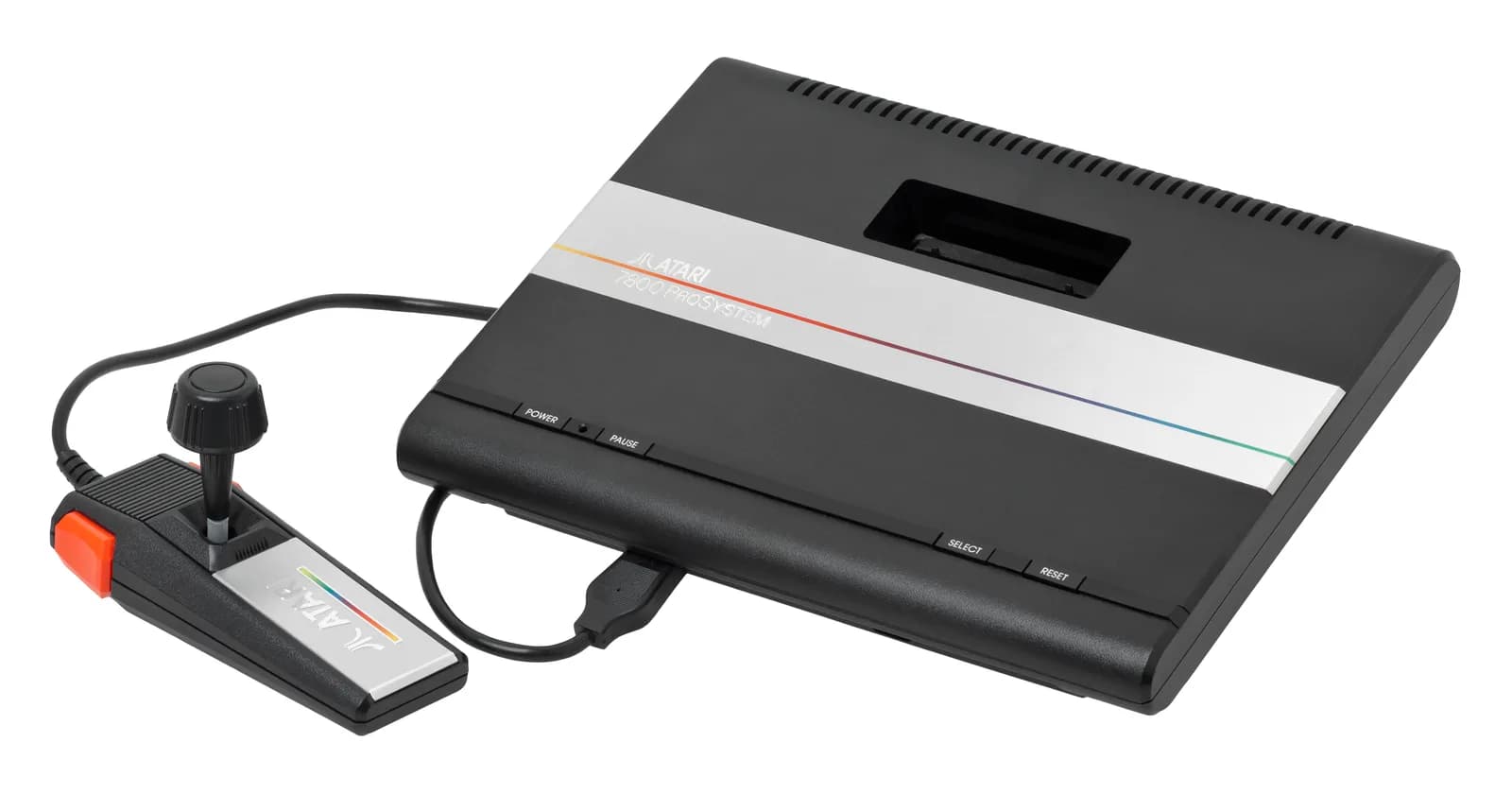
Atari-7800-Console-Set · Evan-Amos · CC BY-SA 3.0 · wikimedia
If you have been waiting for a cleaner moment to buy a console or plan a gaming PC, Tim Sweeney’s latest comments explain why that moment may stay messy. The Epic Games CEO says the component squeeze is being driven by AI systems and data centres that can outbid entertainment companies for parts.
The useful part for buyers is what he singled out: RAM, storage and time. He told Edge, via GI.biz, that RAM and storage prices are quadrupling and warned of a continual supply crisis for gaming-relevant hardware for the next three years.
This breaks down what the claim means, what it does not prove, and how to read it before committing to a console, prebuilt PC or upgrade.
What Tim Sweeney actually said
Eurogamer reports that Sweeney described the current games industry situation as the biggest crash since the 1983 collapse sparked by the “Atari shock”. When asked about the component shortage, he framed it as more than a temporary supply snag.
His description was blunt: “It’s an unexpected, severe disruption.” He then pointed to “an unprecedented wave of investment in building AI systems and data centres”, saying the scale of that economic opportunity means those buyers “can outbid the entire entertainment industry for all the components.”
The main takeaways are specific:
- AI systems and data centres are competing for components.
- RAM and storage are the parts Sweeney named directly.
- RAM and storage prices are quadrupling, he said, “and not necessarily stopping there.”
- The next three years are his warning window for “a continual supply crisis for all gaming-relevant hardware.”
- Massive new factories are his stated solution, though he added: “There’s no Moore’s Law for construction equipment.”
That last line is the catch. Sweeney is saying capacity can be built, but he is also warning that factory construction does not move at the pace people associate with chip improvements.
What it means for gaming PCs and consoles
For a gaming PC, Sweeney’s named parts are easy to watch. If a saved build no longer fits the budget, first compare the RAM and storage lines; you should see whether the change is concentrated in the parts he named or spread across the whole parts list.
The console side is less direct. The source does not list exact retail prices, console models, hardware revisions or file sizes, and it does not say one named console is affected more than another. What it does say is that the shortage is for gaming-relevant hardware and that Sweeney previously called out declining console hardware sales.
That difference matters because it keeps the claim from turning into a fake price chart. Treat it as a warning about supply pressure, not a confirmed list of price rises for every console bundle or prebuilt PC.
Why AI demand is in the middle of the problem
The reason Sweeney gives is demand from AI investment. He argues that AI systems and data centres are being built on the belief that they will have a large economic role, and that this gives those projects the money to outbid the entertainment industry for parts.
Eurogamer also frames the wider industry stress around several pressures that companies cite:
- contraction after the pandemic boom in gaming
- rising development costs
- longer production cycles and higher wages
- shifts in consumer spending patterns
- hardware shortages linked to AI data centres
At buyer level, this explains why old assumptions can fail. If a data centre project has more money available for components, according to Sweeney, game hardware receives “the short end of the stick.” You should not read that as a promise that every console or prebuilt PC will climb at the same rate.
The factory answer is slow by design
Sweeney’s fix is not a coupon code or a short-term discount cycle. “The only solution, I think, is going to be building massive new factories to meet the world’s capacity demands,” he said.
That is a supply-side answer. New factories may expand capacity, but the source gives no opening date for any factory and no month when component prices reset.
That makes the three-year warning useful for planning. If you are waiting for the market to snap back quickly, the reported comments argue against treating that as a schedule.
How this fits the wider games crash talk
Eurogamer places the comments inside a broader industry downturn. It names layoffs at Sony, Microsoft, EA, Ubisoft, Take-Two and Epic Games, and reports that Epic itself laid off 1,000 developers in March.
For Epic, the source says the company had expanded to support the explosive growth of Fortnite. A drop in Fortnite player engagement then led to reorganisation and roles being eliminated.
Sweeney’s answer was partly about business models too. He said companies “need to either be an ecosystem” with a massive audience or be in an ecosystem where the audience already is. He also floated an “open and interoperable economy” where a purchase made in one place could work in Fortnite and other participating games.
He was clear that the NFT version of that idea failed: “NFTs tried this same thing, and it absolutely failed, and everyone was ripped off in the process.” For buyers, do not assume portability from that proposal alone. You should see where your games and any purchased outfit are usable before moving platforms.
What to do before buying new hardware
No source here gives a universal buy-or-wait answer. Use Sweeney’s warning as a risk check before spending.
- Write down what you actually play. If your current setup still runs those games acceptably, you should see that the new purchase is optional rather than urgent.
- Separate RAM and storage in any PC quote. You should see those items listed clearly instead of treating the whole machine as one mystery price.
- For consoles, compare the ecosystem you use. You should see where your owned games and purchased items work before switching platforms.
- Do not assume the factory fix has a calendar. You should see a named factory opening or an official supply statement before treating a reset as scheduled.
- Avoid panic upgrades. The warning says supply pressure may persist; it does not say every buyer must purchase immediately.
The most grounded move is to check the parts Sweeney named, then decide whether the hardware solves a real problem for you now. The market may stay tight, but the source does not confirm exact future prices for any single console or PC configuration.
Conclusion
Sweeney’s warning is simple: AI data centre demand is pressuring the same component supply that gaming hardware needs, and he expects that pressure to last for the next three years. If you are buying soon, compare RAM and storage carefully, check the ecosystem your purchases live in, and avoid treating an industry warning as a guaranteed price forecast.
Frequently asked questions
Who said the gaming hardware crisis could last for years?
Epic Games CEO Tim Sweeney made the warning in an interview with Edge, reported via GI.biz and covered by Eurogamer. He said buyers should expect “a continual supply crisis for all gaming-relevant hardware for the next three years.”
Which components did Tim Sweeney name?
Sweeney named RAM and storage directly. He said the prices of RAM and storage are “quadrupling” and “not necessarily stopping there.”
Is AI demand being blamed for console and PC hardware pressure?
Sweeney linked the pressure to an “unprecedented wave of investment” in AI systems and data centres. He said those buyers can outbid the entertainment industry for components.
Does this confirm exact price increases for specific consoles?
No. The source does not give exact retail prices, console model changes, hardware revisions or file sizes, and it does not say one console is affected more than another.
Should I buy a console or gaming PC now?
The source does not give a universal buy-or-wait answer. If you need hardware now, check RAM and storage pricing carefully and confirm where your games and purchased items work before switching platforms.
Sources
Where to go next
If this answered your question, the rest of our Gaming coverage works the same way — the short answer first, then the detail, and every source listed.
Written by
Iris ValeThe gaming and consumer-tech byline. Specific about platforms, versions and what a patch actually changed, quoting the official notes where they exist, and stating the hardware behind any performance claim.