Epic Games CEO expects hardware to be affected “for the next three years” amid games industry “crash”

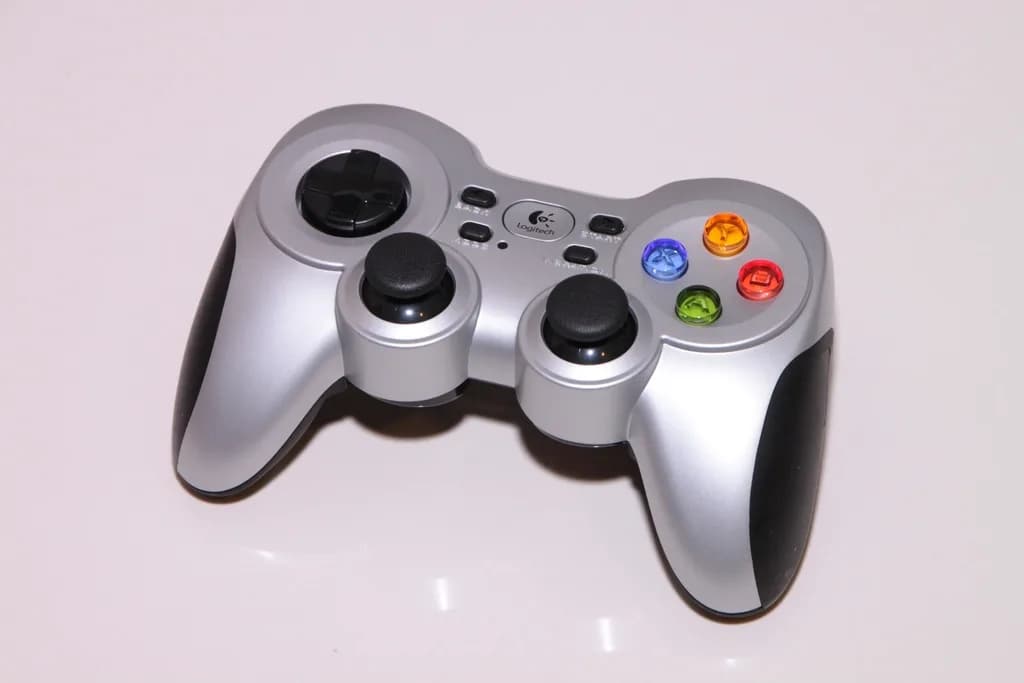
New video game controller exposed · Unknown · CC0 · rawpixel
If you have been pricing a gaming PC upgrade or watching console hardware chatter get gloomier, Tim Sweeney has put a long timer on the parts shortage. The Epic Games CEO says gaming-relevant hardware could stay under pressure for the next three years while AI data-centre demand competes for the same components.
That matters because the squeeze lands during a rough spell for games companies. Eurogamer points to mass layoffs across Sony, Microsoft, EA, Ubisoft, Take-Two and Epic Games, with companies commonly citing a post-pandemic market contraction, rising development costs, longer production cycles, shifts in consumer spending and hardware shortages.
Here is the clean bench read: what Sweeney actually said, which hardware he named, why factories are his answer, and how to react if you were already planning to buy parts.
What Tim Sweeney said about gaming hardware
In an interview with Edge Magazine, reported via GI.biz and covered by Eurogamer, Sweeney called the component shortage “an unexpected, severe disruption.” His warning was aimed at hardware across gaming, not a single console model or PC part.
The sharpest line is his forecast: “We should expect there’s just going to be a continual supply crisis for all gaming-relevant hardware for the next three years.” He also said RAM and storage prices are quadrupling, adding that they were “not necessarily stopping there.”
That is the part most players will feel first if they are shopping. Memory and storage are routine upgrade targets on PC, and storage is one of the first pressure points for players juggling large game installs. The supplied reporting does not give a model-by-model list of affected devices, so treat the comment as a broad warning about gaming hardware rather than a confirmed shortage for one named box.
Why AI data centres are pulling parts away from games
Sweeney’s diagnosis is supply allocation. He said there is “an unprecedented wave of investment in building AI systems and data centres,” based on the belief that they will have “a really transformational role in the economy.”
His point is that the economic opportunity around AI lets those buyers pay more for components. In his words, they can “outbid the entire entertainment industry for all the components,” leaving games with “the short end of the stick.”
That does not mean every shelf goes empty at once. It means the buyer at the repair counter should stop reading this as a short stock wobble unless better supply arrives. Sweeney’s forecast is measured in years, not weeks.
What the “Crash 2.0” comparison means
Eurogamer frames Sweeney’s comments against what it calls a rough period for the games industry. Sweeney suggested the industry is seeing the biggest crash since the 1983 collapse sparked by the “Atari shock.”
The pressure is not coming from one loose screw. The source reporting lists several strains companies have pointed to when announcing restructuring:
- A contraction after the pandemic boom in gaming
- Rising development costs
- Longer production cycles and higher wages
- Shifts in consumer spending patterns
- Hardware shortages linked to AI data-centre demand
Epic is part of that story. Eurogamer reports that Epic laid off 1,000 developers in March after previously expanding to support Fortnite’s growth. The report says a drop in Fortnite player engagement led to reorganisation and the elimination of roles, and that Sweeney also called out wider industry issues including declining console hardware sales.
Sweeney’s hardware fix: build more factories
Sweeney’s proposed repair is blunt: make more capacity. He said the “only solution” he sees is “building massive new factories to meet the world’s capacity demands.”
He also added the line that should keep expectations grounded: “There’s no Moore’s Law for construction equipment.” The supplied reporting does not confirm a schedule for those factories, who would build them, or which parts would be relieved first.
So the practical read is simple. If the fix depends on new factories, the repair is physical and slow. You do not solve that kind of fault with a driver update, a store restock email or a clever pricing trick.
His wider answer: bigger ecosystems and shared economies
Sweeney did not talk only about chips and memory. He argued that companies need to “either be an ecosystem, and grow a massive audience that can sustain your product, or be in an ecosystem, and reach the audience where it already is.”
He floated an open, interoperable economy where a purchase made in one place could work in Fortnite and in other games that choose to take part. He also conceded that NFTs failed, saying: “NFTs tried this same thing, and it absolutely failed, and everyone was ripped off in the process.”
His suggested alternative includes revenue sharing. As he put it, “There needs to be some sort of revenue-sharing model so that if you buy an outfit here, but you’re mostly playing there, then they get some money.”
Sweeney also said companies would need to work “as peers” if they want developers and publishers to get on board. His crisis framing is part of that pitch: “Companies have only ever done this kind of thing in times of crisis, and we have one now.”
The industry picture is uneven
The same Eurogamer run of reporting shows that the western industry’s struggle is not the whole global picture. A Niko Partners report said China’s games market generated around $51.8bn in revenue in 2025, compared with $8.76bn for the British video game market according to UKIE.
Niko Partners forecasts China’s market will rise 4 percent in 2026 to $53.9bn, and predicts $59.8bn by 2030. The report links that growth to stronger-than-expected performance from both new and evergreen games.
That contrast matters when reading “crash” talk. Sweeney is talking about a severe industry crisis and component squeeze, while other parts of the global market are still growing according to the cited market report.
If you are buying gaming hardware, work from least risky to most risky
Before spending, treat this like a bench job: start with the least destructive move and only go deeper if the symptom demands it.
- Do nothing yet if your current setup still runs the games you play. Risk: if Sweeney’s forecast plays out, the same parts may cost more later. Expect to keep cash free while you watch whether RAM, storage or full systems move in price.
- Delay non-urgent upgrades. Risk: waiting is uncomfortable if your storage is tight or load times bother you. Expect no immediate performance change, but you avoid buying into a market Sweeney describes as under pressure.
- Buy only the part you actually need. Risk: a single-part upgrade can expose the next weak spot in the system. Expect the narrowest spend if your problem is clearly RAM, storage, or another defined hardware limit.
- Replace the whole system last. Risk: this is the largest spend while the source reporting gives no confirmed safe model, vendor or timing. Expect a cleaner upgrade path, but with the least flexibility if prices shift after purchase.
The main warning is to avoid panic buying. Sweeney’s comments support a longer planning window, not a guarantee that every gaming device becomes unavailable.
Conclusion
Sweeney’s message is that gaming hardware faces a multi-year component squeeze, driven in his view by AI data centres outbidding entertainment for parts. He expects pressure on all gaming-relevant hardware, with RAM and storage called out directly.
If you are shopping now, audit what you already have, track the parts you care about, and buy only when the need is clear. Treat full-system replacement as the last move, not the first swing of the screwdriver.
Frequently asked questions
What hardware did Tim Sweeney say will be affected for the next three years?
Sweeney referred broadly to “all gaming-relevant hardware” and specifically said RAM and storage prices are quadrupling. The supplied reporting does not confirm a model-by-model list of affected consoles, PCs or components.
Why does AI affect gaming hardware supply?
Sweeney said investment in AI systems and data centres is creating demand for the same components used by the entertainment industry. He argued those buyers can outbid gaming companies for parts.
What solution did Sweeney suggest?
Sweeney said the solution is building massive new factories to meet global capacity demand. He also warned that construction does not speed up like chip progress, saying there is “no Moore’s Law for construction equipment.”
What does “Crash 2.0” mean here?
Eurogamer used the phrase around Sweeney’s comments on the industry’s current downturn. Sweeney suggested this is the biggest crash since the 1983 collapse sparked by the “Atari shock.”
Should I buy gaming hardware now or wait?
The reporting does not give a universal buy-or-wait answer. A lower-risk approach is to delay non-urgent purchases, target only the part you need, and leave a full system replacement for when the need is clear.
Sources
- How does Epic Games CEO Tim Sweeney reckon we can fight the component crisis and industry "Crash 2.0"? By building more factories, for one | Eurogamer.net
- Gamescom apologises for how it initially responded to indie developer hardware thefts | Eurogamer.net
- As the western games industry struggles, China's games industry is booming, a new report shows | Eurogamer.net
- "We can get any IP" - Saber CCO on why reviving dormant franchises is the big, obvious secret to the publisher's success, and why Xbox could learn from it | Eurogamer.net
Where to go next
If this answered your question, the rest of our Gaming coverage works the same way — the short answer first, then the detail, and every source listed.
Written by
Devan BrooksThe Windows fix-it and gaming-hardware byline. Methods run from least destructive to most, and anything that edits the registry, resets components or deletes data carries its warning before the steps rather than after them.