The new and upcoming gaming hardware from Gamescom 2026 that I'd spend my money on
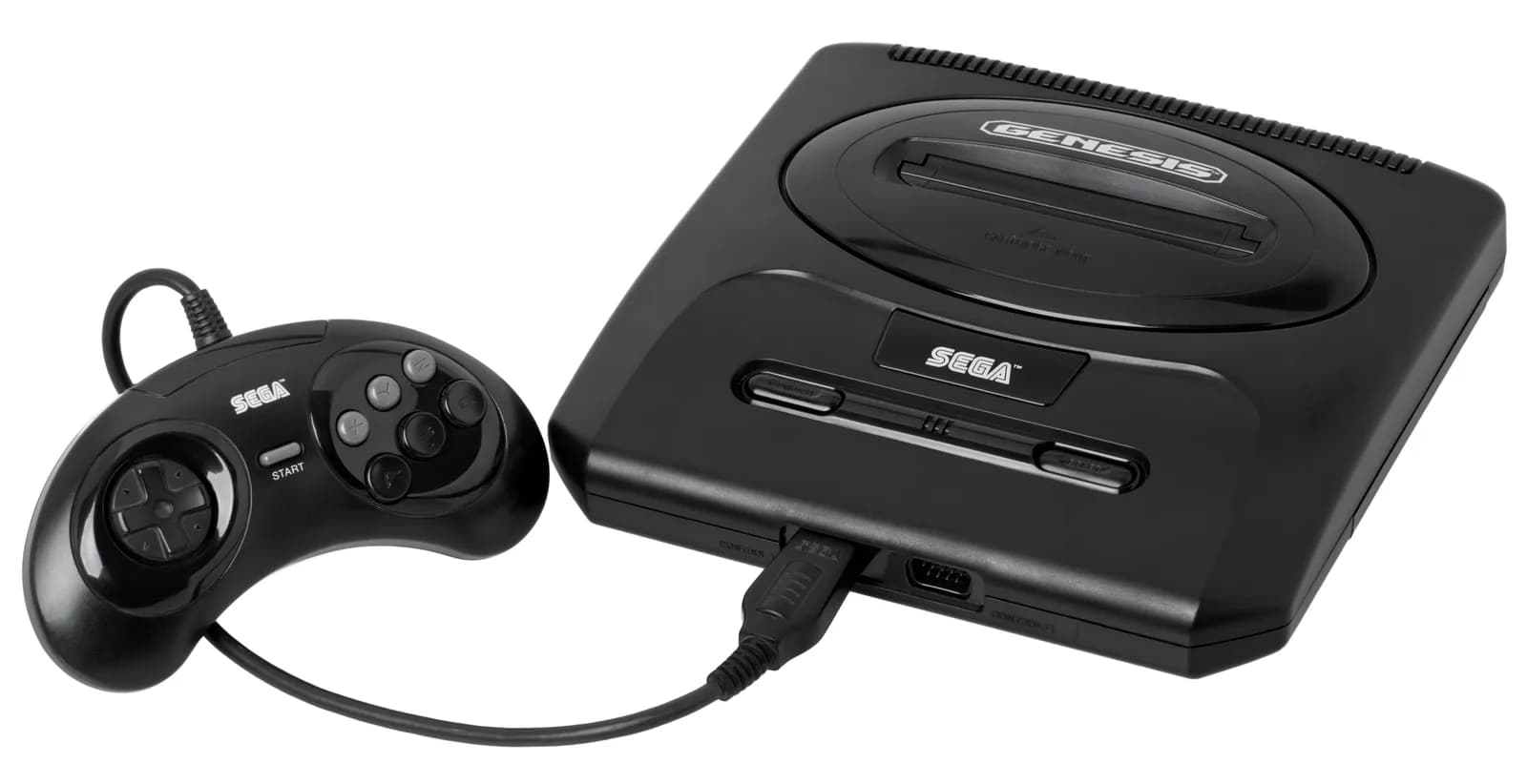
Sega-Genesis-Mk2-6button · Evan-Amos · CC BY-SA 3.0 · wikimedia
If you came here looking for a clean shopping list from Gamescom 2026, the honest answer is uncomfortable: the supplied reporting does not confirm any specific hardware, model name, price, release date, file size, firmware version or performance result from the event.
That matters. Hardware buying advice is only useful when the basics are pinned down: what the device is, what platform it supports, how much memory and storage it has, when it ships and what it costs. Without those details, a recommendation turns into hype with a checkout button.
What the source does give us is a hard warning about the component market around gaming hardware. Epic Games CEO Tim Sweeney told Edge Magazine, reported by Eurogamer via GI.biz, that AI data centre demand is putting pressure on the parts gaming devices need. So my “spend my money” list starts with a refusal: I would not buy any Gamescom 2026 hardware until it clears the checks below.
The honest answer: no confirmed Gamescom 2026 hardware picks yet
The supplied source does not include a Gamescom 2026 hardware round-up. It does not name a new handheld, console, graphics card, headset, controller, storage device or PC part from the event.
It also gives no tested hardware, no benchmark setup, no thermal data and no battery result. There is no patch note, driver package, firmware download or file size to report. That means there is nothing here that can support a claim like “buy this model” or “skip that model.”
For a real buying recommendation, I would want the following in writing before spending:
- Final product name, so the retail unit can be separated from a prototype.
- Confirmed price, so it can be compared against existing hardware.
- Release timing, so the choice is not based on an open-ended teaser.
- RAM and storage configuration, because the source says those parts are under price pressure.
- Platform support, so the device fits the games and accounts you already use.
- Measured performance on named hardware, not a loose claim that something is faster.
If those details are missing from a store page or announcement, I would treat the product as unconfirmed for buying purposes. After checking, you should be able to write down exactly what you are getting. If you cannot, it is too early to spend.
What changed in the hardware market, according to Sweeney
The strongest fact in the source is not about a single device. It is about the parts inside almost every gaming device.
Sweeney described the component shortage as “an unexpected, severe disruption.” He said there is “an unprecedented wave of investment in building AI systems and data centres,” and that the scale of the opportunity there means those buyers “can outbid the entire entertainment industry for all the components.”
The part that should make hardware buyers pause is his warning on memory and storage. Sweeney said: “the prices of RAM and storage are quadrupling, and not necessarily stopping there.” He also said: “We should expect there’s just going to be a continual supply crisis for all gaming-relevant hardware for the next three years.”
That does not confirm the price of any Gamescom 2026 device. It does explain why I would be more careful with pre-orders, especially on products where the RAM or storage capacity is vague.
Sweeney’s proposed answer was industrial, not a shopping trick. He said the solution would be “building massive new factories to meet the world’s capacity demands,” then added: “there’s no Moore’s Law for construction equipment.” In plain terms, the source does not describe a quick fix buyers can count on.
The hardware I would consider once details are confirmed
Since no Gamescom 2026 device is confirmed in the source, my money would go only toward categories that pass a clear evidence test. This is the filter I would use when actual product pages, retail listings and hands-on testing appear.
Hardware with clear RAM and storage specs
The first thing I would check is RAM and storage capacity. Those are the exact parts Sweeney called out as rising in price.
A product page should state the memory and storage configuration plainly. If a larger storage version costs more, the page should make the capacity difference easy to compare. After reading it, you should know whether you are paying for more usable space, more memory or only a bundle.
I would be wary of any announcement that talks around these specs. Phrases about “fast storage” or “next-gen memory” do not replace a final capacity and configuration. The expected result of checking this step is simple: you should have a line in your notes that says what the device includes.
Hardware that fits an ecosystem you already use
Sweeney also argued that companies need to “either be an ecosystem, and grow a massive audience that can sustain your product, or be in an ecosystem, and reach the audience where it already is.” That point applies to buyers too.
A gaming device is easier to justify when it works with the accounts, games and platforms you already use. The Eurogamer page lists Fortnite across Android, Mac, Nintendo Switch, Nintendo Switch 2, PC, PS4, PS5, Xbox One, Xbox Series X/S and iOS, which shows how wide a single major game’s platform spread can be.
That does not mean every new device will support your library. It means I would check compatibility before paying. After this step, you should know whether the hardware supports the games you plan to play, rather than assuming support from a logo or event demo.
Hardware with real availability
Sweeney’s warning about a possible supply crisis for gaming-relevant hardware changes how I would treat limited stock. I would avoid buying from panic or from a listing that does not clearly say when the device ships.
A safer listing should show a clear order status and a realistic fulfilment path. If it only creates urgency without confirmed stock, I would wait. The thing to look for is a purchase page that tells you what happens after payment.
What I would skip, even if it looks tempting
A hardware announcement can be exciting without being ready for your money. Based on the source’s component warning, I would skip anything that hides the parts most likely to affect value.
I would avoid:
- Teaser hardware with no final specifications.
- Pre-orders with unclear RAM or storage capacity.
- Listings with no confirmed shipping information.
- Performance claims without named test hardware.
- Bundles where the added cost is not tied to a stated feature or capacity.
None of those points says a product is bad. They say the buyer does not have enough information. In a market where the source says RAM and storage prices are under heavy pressure, missing details are a reason to wait.
How to judge Gamescom 2026 hardware before spending
Use a short checklist when new hardware is announced. It keeps the decision tied to facts instead of event buzz.
- Write down the confirmed specs. If RAM, storage, platform support or release timing is missing, mark the device as incomplete.
- Look for the tested setup. A useful performance claim should say what hardware was measured. If the setup is not named, do not treat the claim as buying evidence.
- Check the ecosystem fit. Confirm that the device supports the games, accounts or platforms you actually use.
- Read the retail listing before paying. You should see what is included, when it ships and what happens after checkout.
- Compare storage and memory versions first. Sweeney specifically named RAM and storage as parts under price pressure, so vague upgrades deserve extra caution.
If a product passes those checks, it belongs on a shortlist. If it fails them, I would keep my money until the missing details are confirmed.
Conclusion
The supplied source does not confirm any new or upcoming Gamescom 2026 gaming hardware that can be recommended by name. What it does confirm is a serious warning from Tim Sweeney about RAM, storage and a possible supply crunch for gaming-relevant hardware.
My move would be to wait for final specs, real availability and measured performance before spending. Build a shortlist, check the memory and storage details first, and do not pre-order anything that cannot tell you exactly what you are buying.
Frequently asked questions
Did the supplied source confirm any Gamescom 2026 hardware?
No. The source does not confirm any specific Gamescom 2026 hardware, product name, price, release date, firmware version, file size or benchmark result.
Why is RAM and storage the main buying concern here?
Tim Sweeney said in the source that “the prices of RAM and storage are quadrupling,” and warned of a “continual supply crisis for all gaming-relevant hardware for the next three years.” That makes memory and storage details worth checking before any hardware purchase.
Should I pre-order new gaming hardware from Gamescom 2026?
I would wait unless the product has final specs, clear RAM and storage capacity, confirmed availability and measured performance on named hardware. If those details are missing, the source does not provide enough evidence to support a buy recommendation.
Are there any patch notes or file sizes to report?
No. The supplied source is not a patch report and includes no update notes, download sizes, driver versions or firmware builds.
Which platforms are named in the source?
The Eurogamer page lists Fortnite on Android, Mac, Nintendo Switch, Nintendo Switch 2, PC, PS4, PS5, Xbox One, Xbox Series X/S and iOS. That list is not a Gamescom 2026 hardware announcement.
Sources
Where to go next
If this answered your question, the rest of our Gaming coverage works the same way — the short answer first, then the detail, and every source listed.
Written by
Iris ValeThe gaming and consumer-tech byline. Specific about platforms, versions and what a patch actually changed, quoting the official notes where they exist, and stating the hardware behind any performance claim.